




🦟 Pest Research – Mosquitoes
Dangerous Disease Vectors in Pakistan
Overview
Mosquitoes are among the most dangerous pests in Pakistan due to their role in spreading serious diseases. They thrive in warm, humid climates and multiply rapidly after rainfall and floods, making them a major public health concern across the country. Species like Aedes aegypti are responsible for dengue outbreaks, while Anopheles mosquitoes spread malaria.
Identification
- Common Species in Pakistan:
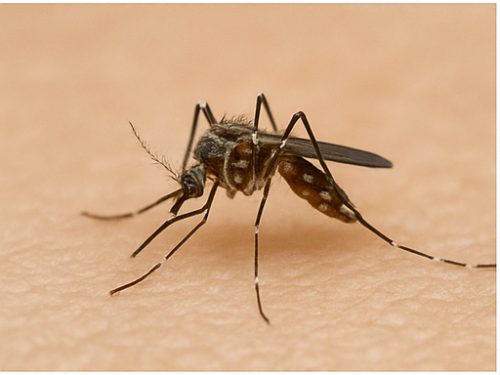
- Aedes aegypti (dengue mosquito – black body with white markings, active during the day)
- Anopheles (malaria mosquito – spotted wings, active at night)
- Culex (common house mosquito – brown, active at night, causes itchy bites)
- Appearance: Slender body, long legs, narrow wings.
- Habitat: Breed in stagnant water—gutters, flower pots, water tanks, tires, and puddles.
Risks & Damage
- Spread life-threatening diseases such as:
- Dengue fever
- Malaria
- Chikungunya
- Zika virus (rare but possible)
- Cause painful, itchy bites that can lead to secondary infections.
- Disrupt sleep and reduce quality of life.
Signs of Infestation
- Increased mosquito bites indoors or outdoors.
- Buzzing sound, especially at night.
- Larvae (wrigglers) in standing water.
- Presence of adult mosquitoes near water sources.
Prevention Tips
- Eliminate standing water around the house.
- Cover water tanks and containers.
- Install window and door screens.
- Use mosquito repellents, coils, or electric zappers.
- Wear full-sleeved clothing during peak activity times.
✨ Fumicon’s Expertise
At Fumicon, we specialize in mosquito control programs designed for Pakistan’s climate. Our approach targets both larvae and adult mosquitoes, reducing populations effectively while using eco-safe repellents and sprays. We focus on long-term prevention, especially after monsoon seasons when mosquito-borne diseases peak.