




🦎 Pest Research – Lizards
Common Household Reptiles That Cause Fear & Discomfort
Overview
Lizards are one of the most common household pests in Pakistan, especially during the summer. While they help by feeding on insects like mosquitoes, flies, and cockroaches, their presence inside homes causes discomfort and fear. Lizards are mostly harmless, but their droppings can contaminate food and surfaces, creating hygiene concerns.
Identification
- Common Species in Pakistan:
- House Gecko (Hemidactylus frenatus) – small, light-colored, and commonly found indoors.
- Garden Lizard (Calotes versicolor) – larger, usually outdoors in gardens.
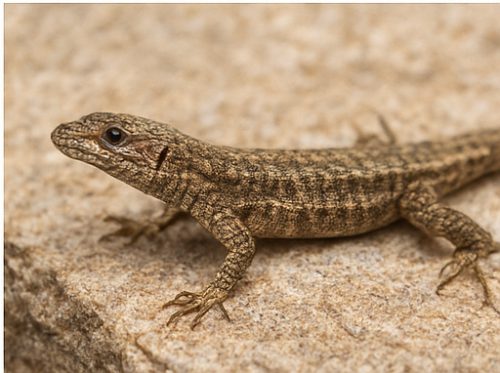
- Appearance: Small to medium-sized reptiles, typically 7–15 cm long. Colors range from pale white to light brown or green. Distinctive ability to climb walls and ceilings.
- Habitat: Found in kitchens, bathrooms, storerooms, and near light sources that attract insects.
Risks & Damage
- Droppings may contaminate food, utensils, and surfaces.
- Can carry bacteria like Salmonella, which may cause food poisoning.
- Shed skin and presence can create an unhygienic impression.
- Cause fear and discomfort in households, restaurants, and offices.
Signs of Infestation
- Frequent sightings on walls, ceilings, and near lights.
- Droppings (small black pellets with white tips).
- Shed skin in hidden corners.
Prevention Tips
- Seal cracks and gaps in windows, doors, and walls.
- Install mesh screens on windows and exhaust fans.
- Reduce insect populations indoors (their primary food source).
- Keep rooms well-lit and clean, especially kitchens and storerooms.
Treatment & Control
- DIY: Naphthalene balls or garlic placed in corners to repel lizards. Eggshells or coffee powder with tobacco as natural deterrents.
- Professional: Safe repellents and exclusion techniques. Insect reduction programs to eliminate food sources.
✨ Fumicon’s Expertise
At Fumicon, we understand that lizards cause discomfort in homes and businesses. Our integrated lizard management programs focus on exclusion, repellents, and reducing insect prey populations. This ensures a safe and hygienic environment for families and businesses.